


Uncategorized
Exploring the World of Cuban Cigars
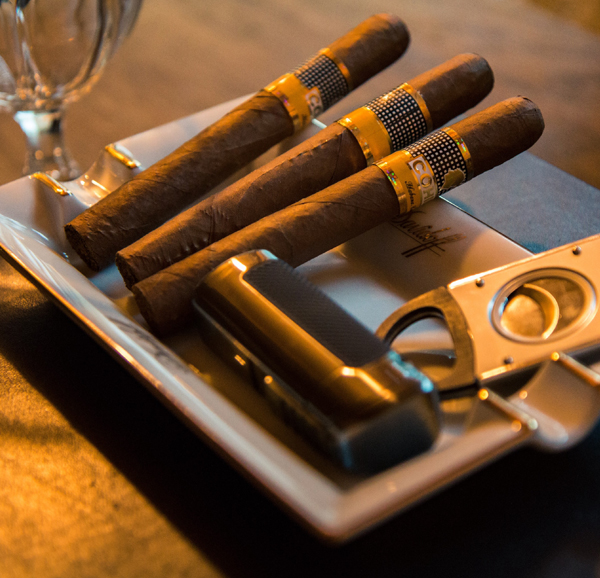
The Rich Aroma and Timeless Tradition: Exploring the World of Cuban Cigars
Step into the world of Cuban cigars and be enveloped by the rich aroma and timeless tradition that have captivated connoisseurs for centuries. From the moment you hold a Cuban cigar in your hand, you can feel the essence of luxury and craftsmanship that has made these cigars legendary.
Cuban cigars are synonymous with quality and prestige, a reflection of the expertise passed down through generations of master blenders and rollers. Each cigar is meticulously crafted, with attention to every detail, ensuring a truly exceptional smoking experience.
The art of cigar making in Cuba is deeply rooted in tradition, with techniques that have remained virtually unchanged for decades. From the cultivation of the finest tobacco leaves to the delicate process of hand-rolling each cigar, every step is a testament to the dedication and skill of the artisans involved.
Whether you’re a seasoned aficionado or new to the world of cigars, exploring the world of Cuban cigars is an experience like no other. It’s a journey that takes you back in time, to an era when enjoying a cigar was not just a pastime, but a celebration of life’s simple pleasures.
Indulge in the richness of flavor, the smoothness of the draw, and the undeniable allure of Cuban cigars. Discover what has made them the epitome of luxury and craftsmanship.
History of Cuban cigars
The rich history of Cuban cigars dates back to the early 16th century when the indigenous Taíno people introduced tobacco to European explorers. Christopher Columbus and his crew were among the first to encounter this fascinating plant during their travels. The Spaniards quickly adopted the practice of smoking tobacco, leading to the cultivation of the crop on the lush, fertile soil of Cuba. By the late 18th century, Cuban cigars began to gain international acclaim, as the island’s unique climate and soil conditions provided an ideal environment for growing high-quality tobacco.
Throughout the 19th century, the cigar industry in Cuba flourished, with cities like Havana becoming the epicenter of cigar production. The introduction of the rolling machine in the 1860s revolutionized the industry, increasing production efficiency while maintaining the quality that Cuban cigars were known for. However, it was the skilled hand-rollers, known as “torcedores,” who ultimately upheld the artistry of cigar making, ensuring that each cigar was a masterpiece. This period also saw the establishment of many renowned cigar brands, some of which continue to be celebrated today.
The Cuban Revolution of 1959 marked a significant turning point for the cigar industry, as the new government nationalized all tobacco plantations and factories. While this led to a decline in production and quality during the early years of the regime, the commitment to maintaining the tradition and craftsmanship of cigar making endured. Today, Cuban cigars are not only a symbol of luxury but also a representation of resilience and cultural heritage that has withstood the test of time.
The art of cigar making
Cigar making is an intricate art that combines both science and craftsmanship. The process begins with the cultivation of tobacco plants, which requires specific climatic conditions, rich soil, and careful attention to detail. Farmers harvest the leaves at various stages of maturity, as different parts of the plant yield distinct flavors and aromas. Once harvested, the leaves undergo a fermentation process, during which they are carefully stacked and monitored to develop their rich flavors. This stage is crucial, as it helps to mellow the tobacco and enhance its complexity.
After fermentation, the leaves are sorted and classified based on their quality and characteristics. The leaves are then aged for several months or even years, allowing them to further develop their unique profiles. The blending process, overseen by master blenders, involves selecting leaves from different regions and aging processes to create the perfect balance of flavors. This meticulous attention to detail ensures that each cigar offers a harmonious smoking experience, showcasing the artistry of the blender’s craft.
The final step in the process is the hand-rolling of the cigar. Skilled torcedores, often trained for years, roll each cigar with precision and care. The rolling technique is crucial, as it affects the draw and overall smoking experience. Each cigar is finished with a cap, and many are adorned with colorful bands that reflect the brand’s identity. This time-honored tradition not only preserves the quality of Cuban cigars but also celebrates the dedication and passion of the artisans behind them.
Types of Cuban cigars
Cuban cigars come in a diverse range of shapes, sizes, and flavors, each with its own unique profile. The most commonly recognized types are the Robusto, Churchill, and Corona, each offering different experiences for smokers. The Robusto is a short, thick cigar that typically measures 4.5 to 5.5 inches in length, providing a rich and intense flavor. The Churchill, on the other hand, is a longer and slimmer cigar, often measuring around 7 inches, allowing for a more gradual and nuanced smoking experience. The Corona is a classic choice, offering a balanced profile with a length of about 5.5 to 6 inches.
In addition to these traditional shapes, there are also unique formats such as the Torpedo and Perfecto. A Torpedo features a pointed head, allowing for a concentrated draw, while the Perfecto is characterized by its tapered ends and bulging middle, offering a complex and evolving flavor profile throughout the smoke. Each type of cigar is designed to cater to different preferences, making it an exciting venture for both novices and seasoned aficionados to explore the vast array of options available.
Beyond the physical attributes, the flavor profiles of Cuban cigars are equally diverse. Factors such as the origin of the tobacco leaves, the blending process, and the aging method all contribute to the distinct characteristics of each cigar. Some may feature bold and earthy notes, while others may present a smoother, creamier experience with hints of sweetness. This complexity is part of the allure, as cigar enthusiasts savor each puff, discovering the intricate layers of flavor that unfold with every draw.
Factors that make Cuban cigars unique
Several factors contribute to the uniqueness of Cuban cigars, making them stand out in the world of premium cigars. One of the most significant is the island’s climate. Cuba’s tropical weather, characterized by warm temperatures, high humidity, and abundant rainfall, creates the perfect environment for growing tobacco. The unique soil composition in regions like Vuelta Abajo, known for its mineral-rich earth, further enhances the flavor and quality of the tobacco leaves cultivated there.
Another vital aspect is the traditional methods used in the cultivation and production of Cuban cigars. The expertise of local farmers, passed down through generations, plays a crucial role in ensuring the quality of the tobacco. The meticulous hand-rolling process performed by torcedores is also a defining feature. Unlike mass-produced cigars, Cuban cigars are primarily hand-rolled, allowing for a level of craftsmanship and attention to detail that cannot be replicated by machines. This dedication to tradition maintains the authenticity and integrity of the final product.
Additionally, the strict regulations governing the production of Cuban cigars ensure that only the highest quality tobacco is used. The Cuban government closely monitors the cigar industry, enforcing quality standards that have become synonymous with the brand. These regulations, combined with the rich history and cultural significance of Cuban cigars, create a unique product that is highly sought after by enthusiasts around the world. The combination of natural factors, traditional craftsmanship, and regulatory oversight results in a luxurious experience that is truly one of a kind.
How to properly store and age Cuban cigars
To fully appreciate the complexity and richness of Cuban cigars, proper storage and aging are essential. The ideal environment for storing cigars is a humidor, which maintains a stable temperature and humidity level. The optimal conditions are typically around 70% humidity and a temperature of 70°F (21°C). This controlled environment prevents the cigars from drying out or becoming overly moist, both of which can negatively impact their flavor and smoking experience.
When placing cigars in a humidor, it’s important to arrange them properly. Cigars should be stored horizontally to allow for even moisture distribution. Avoid overcrowding the humidor, as this can restrict airflow and lead to uneven humidity levels. Regularly monitoring the humidity and temperature is crucial, and it may be necessary to use a hygrometer to ensure that conditions remain optimal. Additionally, seasoning the humidor before use—by wiping the interior with distilled water—can help establish the right humidity levels.
Aging cigars can enhance their flavors and smoothness, allowing the tobacco to mature and develop more complex profiles. While many cigars can be enjoyed right away, some benefit from months or even years of aging. The key is to choose high-quality cigars, as not all will improve with age. It’s advisable to keep a record of the cigars in your collection, noting their purchase date and any observations during the aging process. This practice not only adds to the enjoyment of cigar collecting but also helps you understand which cigars perform best over time.
Cuban cigar etiquette and rituals
Cigar smoking is not merely about the product; it also encompasses a rich tapestry of etiquette and rituals that enhance the experience. Understanding these traditions is essential for both seasoned smokers and newcomers alike. One of the key aspects of cigar etiquette is the proper way to cut and light a cigar. A clean cut is crucial for ensuring a good draw, and while there are various cutting methods, using a guillotine cutter is often preferred. When lighting a cigar, it’s essential to use a butane lighter or wooden match, as these methods impart minimal flavor to the tobacco, preserving the cigar’s natural profile.
Once lit, savoring a cigar is an experience that should be enjoyed slowly. Taking your time allows you to appreciate the evolving flavors and aromas. It’s customary to take a few puffs before getting into the rhythm of smoking, allowing the cigar to warm up and develop its character. Additionally, it’s important to resist the temptation to inhale the smoke; instead, let it linger in your mouth to fully experience its richness. Engaging in conversation while smoking is part of the ritual, making it a social activity that fosters camaraderie among peers.
Another significant aspect of cigar etiquette involves the social setting in which cigars are enjoyed. Many cigar enthusiasts appreciate the opportunity to share their passion with others, often gathering in lounges or at events specifically designed for cigar lovers. When smoking in a group, it’s courteous to offer cigars to fellow smokers and to accept offers graciously. The act of sharing cigars can be seen as a gesture of friendship and respect, enhancing the overall experience. Understanding and embracing these rituals not only deepens your appreciation for cigars but also connects you to a larger community of enthusiasts.
Famous Cuban cigar brands and their significance
Cuban cigars are home to some of the most prestigious brands in the world, each with its own unique history and significance. One of the most iconic names is Cohiba, which was originally created for Fidel Castro and later became available to the public. Recognized for its quality and craftsmanship, Cohiba cigars are often considered the pinnacle of luxury, with a range of flavors that cater to various preferences. The brand’s distinctive yellow and black packaging has become synonymous with elegance and sophistication.
Another noteworthy brand is Montecristo, famed for its well-balanced and flavorful cigars. Established in 1935, Montecristo quickly gained popularity among cigar aficionados and remains one of the best-selling cigar brands worldwide. The brand’s signature line, Montecristo No. 2, is particularly celebrated for its rich flavor profile and excellent construction, making it a favorite among both seasoned smokers and newcomers alike.
Partagas is another prominent brand with a rich history dating back to 1845. Known for its bold flavors and robust character, Partagas cigars appeal to those seeking a more intense smoking experience. The brand’s iconic red and gold packaging is easily recognizable, and its cigars have garnered a loyal following over the years. Each of these brands represents a distinct approach to cigar making, showcasing the artistry and dedication that define the Cuban cigar industry.
The Cuban cigar industry today
Today, the Cuban cigar industry faces a range of challenges and opportunities. While the demand for Cuban cigars remains strong globally, the industry must navigate the complexities of international trade restrictions and competition from other premium cigar-producing countries. The U.S. embargo, in particular, has limited the availability of Cuban cigars in one of the largest markets for premium tobacco products. Despite these challenges, the allure of Cuban cigars continues to captivate enthusiasts, with many willing to seek them out through various channels.
In recent years, there has been a growing interest in the craft of cigar making, leading to a resurgence of artisanal practices and a focus on sustainability. Many producers are returning to traditional farming methods and emphasizing organic cultivation to offer a more authentic product. This shift not only enhances the quality of the cigars but also aligns with consumers’ growing preference for sustainable practices in all aspects of their lives.
Additionally, the rise of social media and online platforms has transformed the way cigar enthusiasts connect and share their experiences. Cigar lounges and events have become vibrant hubs for aficionados to gather, discuss, and celebrate their shared passion. As the industry evolves, it remains rooted in the timeless traditions that have defined Cuban cigars for centuries, continuing to produce products that symbolize luxury, craftsmanship, and a rich heritage.
Conclusion: The allure and legacy of Cuban cigars
The allure of Cuban cigars lies in their rich history, exceptional craftsmanship, and the cultural significance they embody. From the lush tobacco fields of Cuba to the skilled hands of torcedores, every aspect of cigar making reflects a dedication to quality and tradition. For enthusiasts, smoking a Cuban cigar is not just a pastime; it is an experience steeped in ritual and camaraderie, a celebration of life’s moments.
As the industry navigates modern challenges and embraces new opportunities, the legacy of Cuban cigars remains strong. Each puff transports smokers to a world of rich flavors and aromas, inviting them to savor the artistry and heritage that define these iconic products. Whether enjoyed alone or shared with friends, Cuban cigars continue to captivate and inspire, ensuring their place as the epitome of luxury and craftsmanship for generations to come. The timeless tradition of Cuban cigars is a testament to the enduring passion and dedication that have shaped the industry, creating an experience that is truly unparalleled.